Supergirl: a beginner’s guide to the film and Woman of Tomorrow
The filmmakers, the eight-issue comic collection, and a practical way to approach Kara’s story without confusing the page with the screen.
If Supergirl has made you curious about the comics, start by checking the full title of the book. Supergirl: Woman of Tomorrow is a specific miniseries, and its collected edition gathers issues #1–8. DC credits Tom King as writer and Bilquis Evely as artist. Knowing those details is more useful when choosing a copy than searching for “Supergirl volume one”, which can lead to unrelated series.
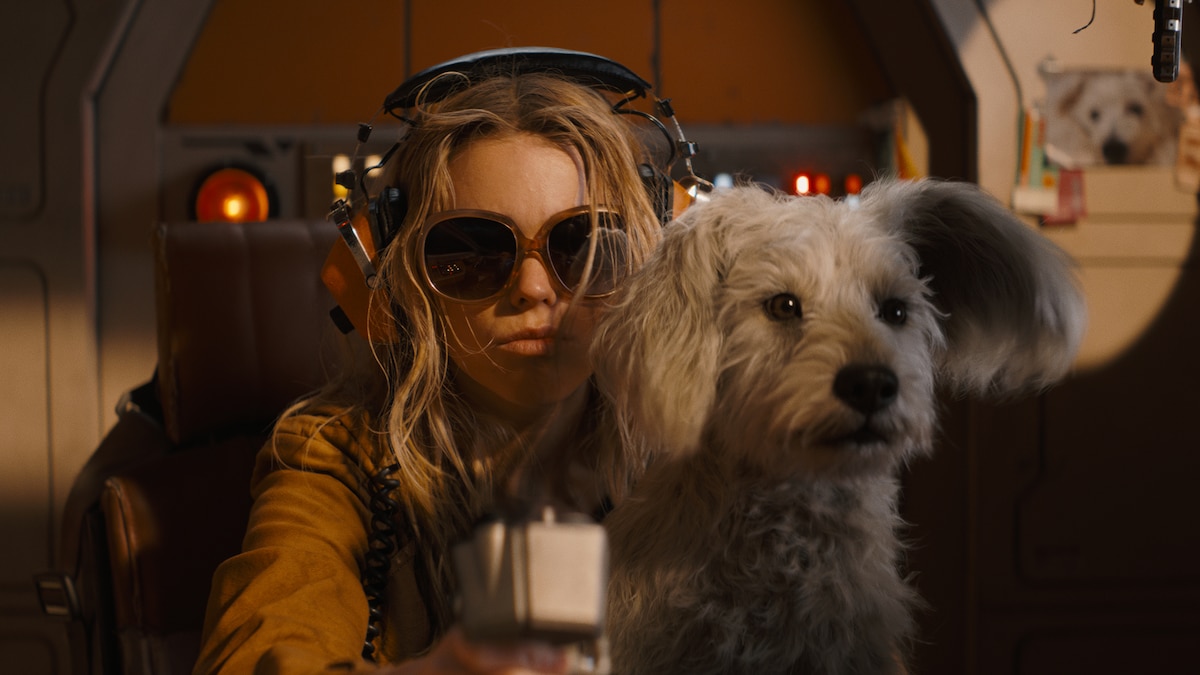
DC describes the comic as a space journey involving Kara, an alien girl seeking revenge and a dog. The collected paperback’s listing gives it a Teen rating. Those details offer a starting point for deciding whether the premise interests you; they should not be read as a promise that every edition has the same extras or that the story suits every younger reader.
For a first purchase or library loan, compare the contents list. A book collecting all eight issues gives you the complete miniseries. A larger hardcover can be appealing as an object, but the binding alone does not tell you whether it contains more story. Check the listed issues and any bonus material before paying extra. If you already own the complete collection, another cover is a collecting choice rather than a necessary next chapter.
The film has its own creative team. DC’s official listing names Milly Alcock as Kara Zor-El, Craig Gillespie as director and Ana Nogueira as screenwriter. It describes an interstellar pursuit involving vengeance and justice. The listed North American theatrical opening was 26 June 2026, with international releases beginning 24 June; those dates describe the theatrical rollout, not present-day streaming availability.
DC has identified Woman of Tomorrow as the comic behind the adaptation. That connection gives readers a useful comparison to make, but a comic’s sequence of scenes should not be treated as a shot-by-shot map of a film. Different media control time differently: a reader can pause on a panel, while a film determines the duration of an image and uses performance and sound to guide attention.
Our suggested approach is to experience one version first, then compare a small number of choices. Whose point of view shapes a scene? How much information arrives through dialogue? Does an act of kindness change the direction of the journey? Those questions make a comparison more rewarding than treating every alteration as an automatic mistake.
This is a source-based introduction, not a review claiming first-hand viewing. It keeps the discussion at premise level so that readers can choose their own route into the story without being handed its resolution.